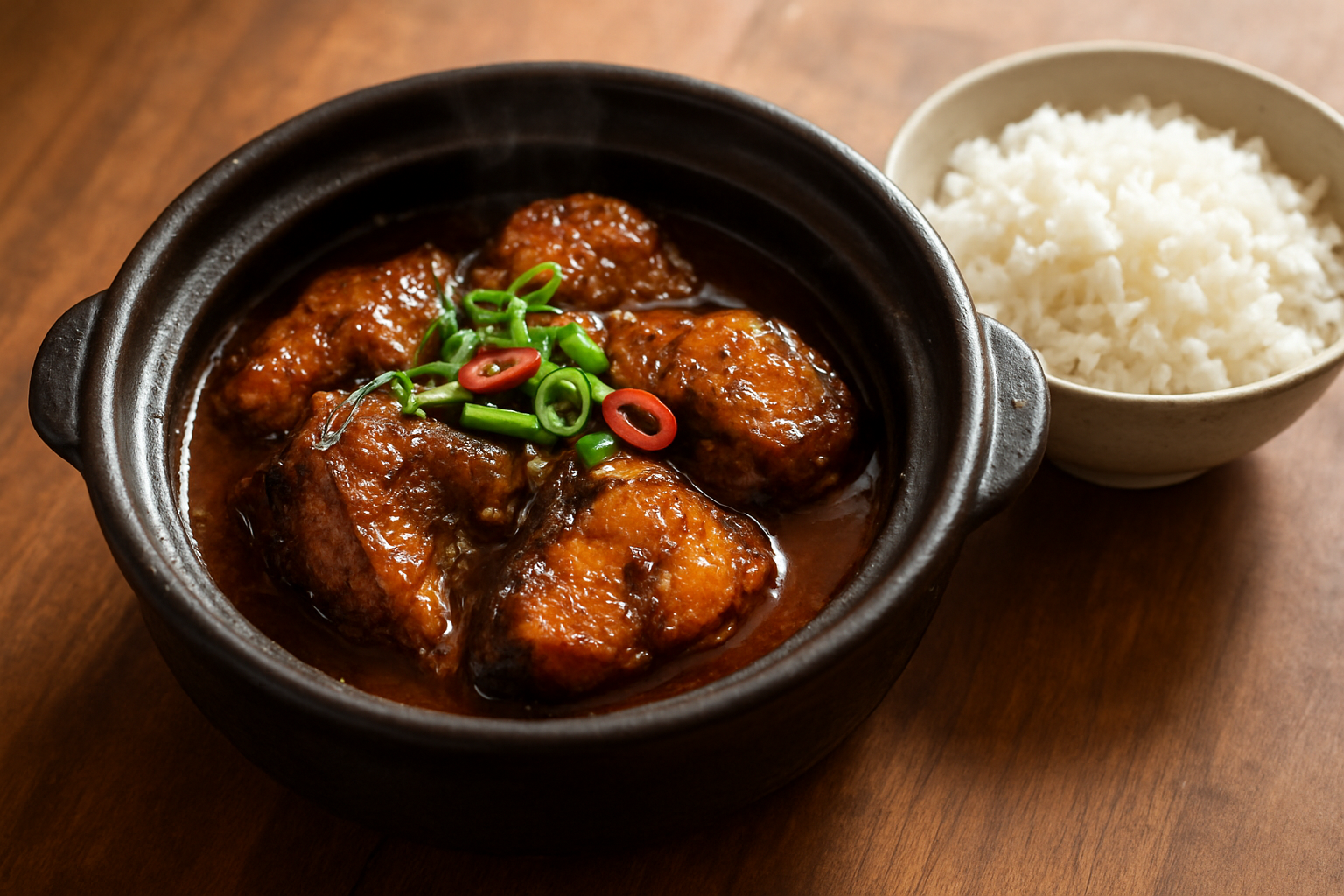
Vietnamese Cà Kho Tộ: Caramelized Fish for a Fast Supper
Vietnamese Cà Kho Tộ: Caramelized Fish for a Fast Supper
Ingredients
- 1 1/2 pounds 680 g catfish fillets, cut into 2-inch (5-cm) portions, or firm white fish such as cod
- 2 tablespoons 25 g granulated sugar
- 1 tablespoon 15 ml water
- 1/2 cup 120 ml coconut water or water
- 2 tablespoons 30 ml fish sauce
- 1 tablespoon 15 ml low-sodium soy sauce
- 1 tablespoon 15 ml neutral cooking oil
- 1 small shallot finely chopped (about 1/3 cup or 45 g)
- 3 garlic cloves finely chopped (about 1 tablespoon or 9 g)
- 1 teaspoon 2 g freshly ground black pepper
- 2 scallions thinly sliced (about 1/3 cup or 30 g)
- 1 small Thai chile thinly sliced, optional (about 1/6 ounce or 5 g)
- 3 cups 480 g cooked jasmine rice, for serving
Instructions
- Pat the fish dry with paper towels. In a measuring cup, stir together the coconut water, fish sauce, soy sauce, and black pepper. Set the sauce mixture near the stove.
- Set a wide clay pot, heavy skillet, or shallow Dutch oven over medium heat. Add the sugar and water. Let the sugar cook without stirring until it melts and turns a deep amber color, about 4 to 5 minutes; gently swirl the pan if needed.
- Lower the heat. Carefully pour in the coconut water mixture, standing back because the caramel will bubble vigorously. Stir until any hardened caramel dissolves. Add the oil, shallot, and garlic.
- Arrange the fish in a single layer in the sauce. Bring the liquid to a gentle simmer, spooning sauce over the fish. Cover and cook for 7 minutes.
- Use a thin spatula to turn the fish carefully. Uncover and simmer for 5 to 7 minutes more, occasionally spooning the sauce over the fish, until the fish flakes easily and reaches 145°F (63°C) in the thickest piece. The sauce should be glossy and lightly thickened.
- Scatter with scallions and optional chile. Serve hot with cooked jasmine rice and spoon the caramelized sauce over each portion.
 Sale!
The Dinner Atlas – Collection II: 31 International Dinner Recipes
Continue your journey around the dinner table with 31 international recipes from 22 countries. The Dinner Atlas – Collection II brings together comforting family meals, curries,…
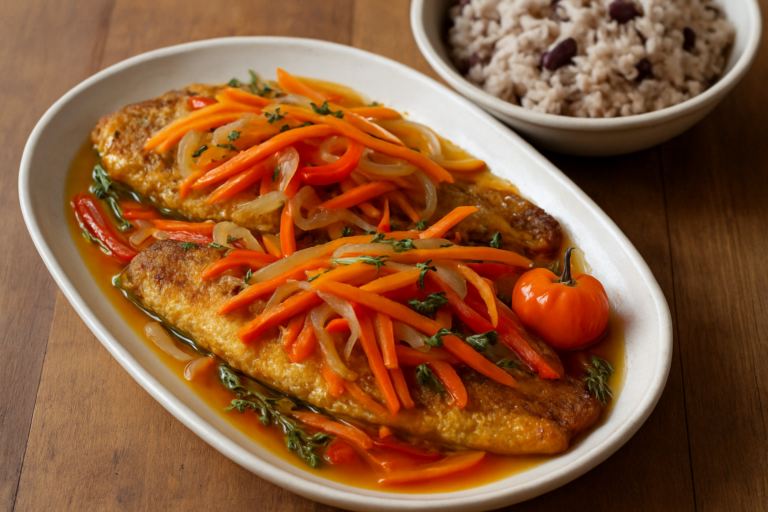
View ProductThis easy vietnamese ca kho to recipe turns a beloved Vietnamese-style braised fish dish into a practical weeknight dinner. Tender pieces of fish simmer in a dark, glossy sauce that balances caramel sweetness with the salty depth of fish sauce, aromatic garlic, and shallot. Although the name refers to a traditional clay pot, you can make the dish successfully in a wide heavy skillet or shallow Dutch oven. Serve it over warm jasmine rice, and every spoonful of sauce becomes part of the meal.
Why This Easy Vietnamese Ca Kho To Recipe Works for Weeknights
Cà kho tộ is all about contrast: lightly bitter, deeply colored caramel meets savory seasoning and delicate fish. The caramel may sound intimidating, but it is simply sugar cooked until amber, then loosened with liquid. Once the fish is in the pan, the method is gentle and forgiving. There is no deep-frying, no lengthy marinating, and no need for a specialty clay pot.
For busy households, the dish also delivers a lot of flavor from a short list of pantry-friendly ingredients. Fish sauce provides the unmistakable savory backbone, while coconut water adds a subtle roundness without making the sauce taste like coconut. Scallions bring fresh color at the end, and a little chile is optional for anyone who enjoys heat. The finished fish is rich enough to feel special, but the rice and simple vegetables keep the meal balanced.
Helpful Tips for a Glossy Caramel Sauce
Use a light-colored pan if you have one, since it makes it easier to see the sugar change from clear to pale gold and then amber. Watch closely near the end: caramel can go from deep amber to burned quickly. If it smells sharply bitter or looks nearly black, it is best to start again with fresh sugar. A proper caramel should smell toasted and pleasantly nutty.
When adding the liquid to hot caramel, lower the heat and pour slowly while keeping your face and hands back from the steam. The sauce may bubble fiercely and the caramel may firm up for a moment. That is expected, not a mistake. Continue simmering gently until the caramel melts back into the liquid. This simple detail gives caramelized fish Vietnamese flavor without requiring advanced technique.
Choose fish pieces that are thick and firm enough to turn once without crumbling. Catfish is a classic option, but cod, striped bass, halibut, or salmon are good alternatives available in many U.S. markets. Pat the fish dry before cooking so the sauce can cling to it. Use a thin spatula and turn the pieces only once; frequent stirring is the quickest way to break delicate fish apart.
Easy Variations and What to Serve Alongside
Make the sauce mildly spicy with sliced Thai chile, serrano chile, or a pinch of red pepper flakes. For extra aromatics, add a few thin slices of ginger with the garlic and shallot. If your family prefers a sweeter sauce, use coconut water rather than plain water. If you prefer a more savory finish, keep the coconut water and add an extra grind of black pepper just before serving.
Steamed jasmine rice is the natural companion because it catches every drop of the sauce. Add quickly cooked bok choy, green beans, or cucumber slices for a fresh contrast. If you want to explore another Vietnamese rice-bowl meal on a different night, try this Vietnamese grilled pork vermicelli bowl. For a bright, cooling sweet finish after a savory dinner, these Vietnamese chè ba màu dessert cups are a colorful option.
Storage and Gentle Reheating
Cool leftover fish and sauce promptly, then store them together in a covered container in the refrigerator. The flavor of the sauce can deepen overnight, making leftovers especially good with fresh rice. For the best texture, reheat only the portion you plan to eat. Put it in a covered skillet with a small splash of water and warm it over low heat until hot throughout. Avoid high heat or a rolling boil, which can make the fish dry or cause it to fall into flakes.
Fish Safety Notes
Keep raw fish cold until it is time to cook, and wash hands, utensils, and cutting boards after they touch it. Cook the thickest piece of fish to 145°F (63°C), or until it is opaque and flakes readily with a fork. Do not leave cooked fish at room temperature for more than 2 hours. Refrigerate leftovers promptly and reheat them thoroughly before serving.
Frequently Asked Questions
Do I need a traditional clay pot?
No. A clay pot is traditional and holds heat beautifully, but a wide skillet, sauté pan, or shallow Dutch oven will make an excellent dinner. The important thing is arranging the fish in one layer so it cooks evenly and stays intact.
Can I make this easy vietnamese ca kho to recipe with frozen fish?
Yes, as long as the fish is fully thawed in the refrigerator first and patted very dry. Excess water can dilute the caramel sauce and make the fish more likely to break when turned.
Why is my sauce too thin?
Let the fish finish cooking uncovered so excess liquid can evaporate. The sauce should coat a spoon lightly rather than become syrupy. Remember that it will thicken a little as it cools and once it meets the rice.
What other Vietnamese dinner should I try next?
If you enjoy the savory-sweet balance here, an easy Vietnamese lemongrass chicken stir-fry is another approachable choice with bold aromatics and a fast cooking method.