Easy Chinese Mapo Tofu for Fast, Flavorful Weeknight Dinners
Easy Chinese Mapo Tofu for Fast, Flavorful Weeknight Dinners
Ingredients
- 1 package 14 ounces / 397 g soft or medium-firm tofu, drained and cut into 3/4-inch (2 cm) cubes
- 4 ounces 113 g fresh shiitake mushrooms, stems discarded and caps very finely chopped
- 1 tablespoon 15 ml neutral oil, such as avocado, canola, or peanut oil
- 1 1/2 tablespoons 22 g doubanjiang (spicy fermented broad bean paste)
- 3 garlic cloves 9 g, finely minced
- 1 tablespoon 6 g finely minced fresh ginger
- 1 teaspoon 2 g ground Sichuan peppercorns, plus more to taste
- 1 tablespoon 15 ml Shaoxing wine or dry sherry
- 1 tablespoon 15 ml low-sodium soy sauce
- 1 cup 240 ml low-sodium vegetable broth
- 1/2 teaspoon 2 g granulated sugar
- 1 tablespoon 8 g cornstarch mixed with 2 tablespoons (30 ml) cold water
- 3 scallions 45 g, thinly sliced, white and green parts separated
- Cooked steamed rice for serving (optional)
Instructions
- Set the tofu cubes on a paper towel-lined plate while you prepare the remaining ingredients. Handle the tofu gently so the cubes stay intact.
- Heat the oil in a large skillet or wok over medium-high heat. Add the chopped shiitake mushrooms and cook, stirring often, until they release their moisture and begin to brown, about 4 minutes.
- Add the doubanjiang, garlic, ginger, scallion whites, and ground Sichuan peppercorns. Stir constantly for about 30 seconds, until fragrant; do not let the garlic scorch.
- Pour in the Shaoxing wine, soy sauce, vegetable broth, and sugar. Bring the sauce to a gentle simmer, scraping up any flavorful bits from the skillet.
- Stir the cornstarch slurry again, then slowly pour it into the simmering sauce while stirring. Cook for 1 minute, until the sauce looks lightly glossy and thickened.
- Slide in the tofu cubes. Spoon sauce over the tofu and simmer gently, without vigorous stirring, until heated through, about 3 to 4 minutes.
- Taste and add a little more ground Sichuan peppercorn if you would like more numbing citrus-like warmth. Scatter with the scallion greens and serve immediately with steamed rice, if desired.
 Sale!
The Dinner Atlas – Collection II: 31 International Dinner Recipes
Continue your journey around the dinner table with 31 international recipes from 22 countries. The Dinner Atlas – Collection II brings together comforting family meals, curries,…
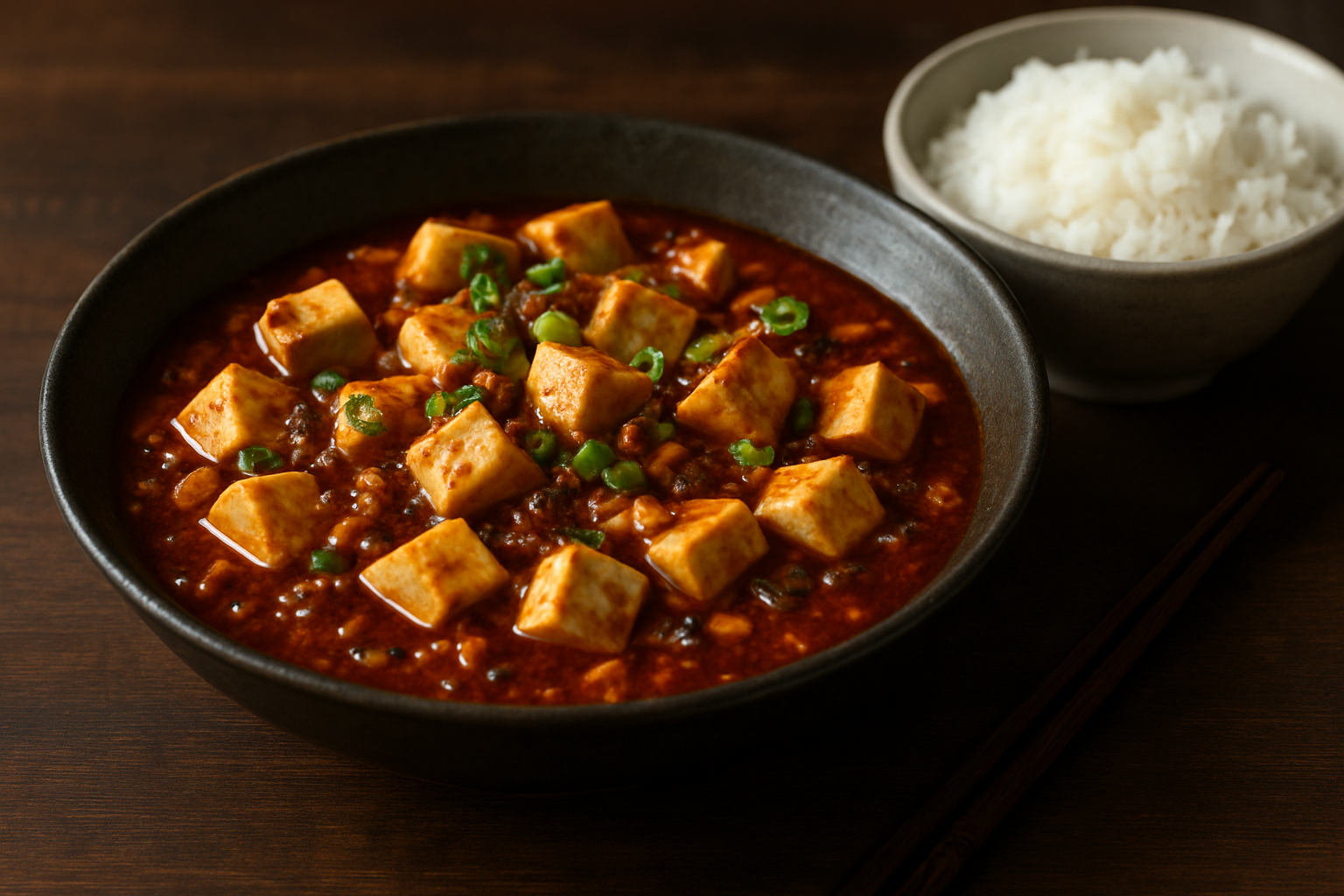
View ProductThis easy chinese mapo tofu recipe brings the unmistakable character of mapo tofu to a realistic weeknight dinner: tender tofu in a savory, chile-forward sauce with the fragrant, gently numbing lift of Sichuan peppercorns. The recipe keeps the cooking process approachable for American home kitchens while holding onto the ingredients that make this Chinese tofu dish recognizable. Finely chopped shiitake mushrooms add savory depth in place of the pork often used in classic versions, making this a satisfying vegetarian meal rather than a bland shortcut.
Why This Easy Chinese Mapo Tofu Works on Busy Nights
Mapo tofu is a celebrated dish from Sichuan cuisine, known for its balance of savory fermented bean paste, chile heat, aromatic garlic and ginger, and the distinctive sensation of Sichuan peppercorn. This simpler home-style version does not ask you to hunt down a long list of specialty ingredients or master wok cooking. Once your ingredients are chopped and within reach, the sauce comes together in a single skillet and the tofu only needs a gentle warm-through.
It is also an especially useful dinner when you want something meatless that still tastes deeply savory. Shiitake mushrooms bring an earthy, umami-rich quality, while doubanjiang, the fermented broad bean and chile paste, gives the sauce its essential backbone. The finished dish is saucy enough to spoon over rice, and its bold flavor makes a modest block of tofu feel like a complete, exciting supper.
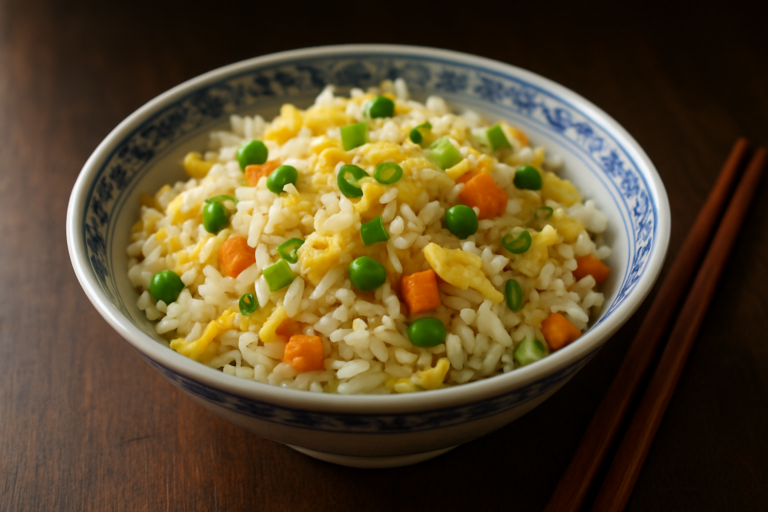
For a simple meal plan, serve it with plain steamed rice and a crisp cucumber salad dressed with rice vinegar and a tiny pinch of sugar. If you have leftover rice, our easy Chinese egg fried rice is another practical side that pairs well with the saucy tofu. Keep any additional chile oil on the table so each person can adjust the heat at the table.
Ingredient Notes That Protect the Dish’s Character
Doubanjiang is the ingredient worth prioritizing. Look for Sichuan-style spicy fermented broad bean paste in the Asian aisle, at an Asian market, or online. Brands vary in saltiness and heat, so taste the finished sauce before adding anything extra. It is not simply a hot sauce: its fermented, savory flavor is central to the profile of mapo tofu.
Sichuan peppercorns are equally distinctive, although their effect is different from chile heat. They have a floral, citrus-like aroma and create a mild tingling sensation on the tongue. Buy them whole and grind only what you need for the freshest flavor, or use a pre-ground version for convenience. If your family is new to them, begin conservatively. You can always add another pinch just before serving, but you cannot remove their signature tingle once it is in the sauce.
Choose soft or medium-firm tofu rather than extra-firm tofu. Soft tofu gives the most delicate, silky result, while medium-firm tofu is more forgiving for a first attempt. The key is not to stir aggressively after it enters the skillet. A gentle shake of the pan or a spooning motion keeps the cubes attractive and intact.
Helpful Tips and Easy Variations
Have everything measured before heating the skillet. The aromatics and bean paste cook quickly, and preparing them in advance helps prevent the garlic from scorching. A broad skillet or wok gives you room to move the mushrooms and sauce without crowding, but no special wok is required.
For more heat, add a spoonful of chile oil with sediment at the table, or use a hotter doubanjiang. For a milder family version, use a smaller amount of doubanjiang and rely on the mushroom, ginger, and scallion flavors for depth. Do not swap the bean paste entirely for a generic chile sauce if you want the dish to retain its mapo tofu identity.
You can also add a handful of chopped tender greens, such as baby bok choy or spinach, near the end for a more vegetable-forward bowl. This is a practical variation rather than a traditional requirement, so keep the tofu, bean paste, and peppercorns as the flavor focus. For another Chinese-inspired accompaniment, try these easy Chinese scallion pancakes to scoop up extra sauce.
Storing, Reheating, and Food Safety
Mapo tofu is best enjoyed soon after cooking, when the tofu is silky and the sauce is glossy. Leftovers are still useful for lunch, but reheat them gently with a small splash of water or broth if needed. High heat and vigorous stirring can make the tofu crumbly. Store cooled leftovers in a covered container in the refrigerator, and do not leave the cooked dish sitting out for extended periods. Reheat only the portion you plan to eat, until it is steaming hot.
Easy Chinese Mapo Tofu FAQ
Is this a traditional mapo tofu recipe?
This is a simplified vegetarian weeknight adaptation of a classic Sichuan dish. Traditional mapo tofu commonly includes minced pork or beef, but the core flavors of doubanjiang, aromatics, tender tofu, and Sichuan peppercorn remain central here.
What should I serve with mapo tofu?
Steamed white rice is the classic, practical choice because it absorbs the flavorful sauce. A lightly dressed cucumber salad, blanched greens, or a simple stir-fried vegetable also provides a cool, fresh contrast.
Can I prepare parts of this simple mapo tofu ahead?
Yes. Chop the mushrooms, garlic, ginger, and scallions ahead and keep them refrigerated in separate containers. Mixing the cornstarch with water is best done just before cooking, since cornstarch settles quickly.
How can I keep the sauce from becoming too thick?
Use the cornstarch slurry as directed and keep the sauce at a gentle simmer rather than a hard boil. If it thickens more than you prefer, loosen it with a small splash of vegetable broth or water before serving.