Simple Hungarian Kürtőskalács: Easy Cinnamon-Sugar Chimney Cakes

Simple Hungarian Kürtőskalács: Easy Cinnamon-Sugar Chimney Cakes
Ingredients
- 3/4 cup whole milk warmed to 105–110°F (180 ml)
- 2 1/4 teaspoons active dry yeast or 1 packet (7 g)
- 1/4 cup granulated sugar divided (50 g)
- 3 cups all-purpose flour plus more for rolling (375 g)
- 1/2 teaspoon fine salt 3 g
- 1 large egg at room temperature (about 50 g without shell)
- 4 tablespoons unsalted butter melted and cooled slightly, divided (57 g)
- 1/2 cup granulated sugar for coating (100 g)
- 2 teaspoons ground cinnamon 5 g
- Nonstick cooking spray or softened butter for the molds
Instructions
- Pour the warm milk into a large mixing bowl. Stir in the yeast and 1 teaspoon of the sugar. Let stand until foamy, 5 to 10 minutes. If the mixture does not foam, start over with fresh yeast and milk that is not too hot.
- Add the remaining sugar, flour, salt, egg, and 2 tablespoons of the melted butter to the yeast mixture. Stir until a shaggy dough forms, then knead on a lightly floured surface for 6 to 8 minutes, until smooth and elastic. The dough should feel soft and only slightly tacky.
- Place the dough in a lightly greased bowl, cover, and let rise in a warm spot until doubled in size, about 45 to 60 minutes.
- Meanwhile, lightly grease eight oven-safe metal cannoli or cream-horn molds, each about 5 inches long and 1 inch wide. Line a rimmed baking sheet with parchment paper. In a shallow dish, combine the 1/2 cup sugar and cinnamon.
- Heat the oven to 375°F (190°C). Gently punch down the risen dough and divide it into 8 equal pieces. On a lightly floured surface, roll each piece into a rope about 18 to 20 inches (46 to 51 cm) long.
- Wrap one dough rope around each prepared mold, overlapping the dough slightly as you go. Pinch the ends neatly to secure them. Arrange the filled molds seam-side down on the prepared baking sheet. Let rest for 10 minutes.
- Brush the dough all over with 1 tablespoon of the remaining melted butter. Roll each mold gently in the cinnamon sugar, pressing lightly so the coating adheres. Return the molds to the baking sheet.
- Bake until deep golden brown, 12 to 15 minutes, carefully turning the molds once halfway through baking for even color. The sugar should look caramelized and the dough should be cooked through.
- Let the chimney cakes cool on the molds for 2 to 3 minutes. Hold each mold with a clean kitchen towel or tongs and gently twist the pastry free. Brush the warm cakes with the remaining 1 tablespoon melted butter and roll in any remaining cinnamon sugar. Serve warm.
 Sale!
The Sweet Atlas: 20 International Dessert Recipes – Collection I
Discover 20 easy international dessert recipes from 12 countries in The Sweet Atlas — Collection I. This beautifully designed 50-page digital cookbook takes you from Filipino…
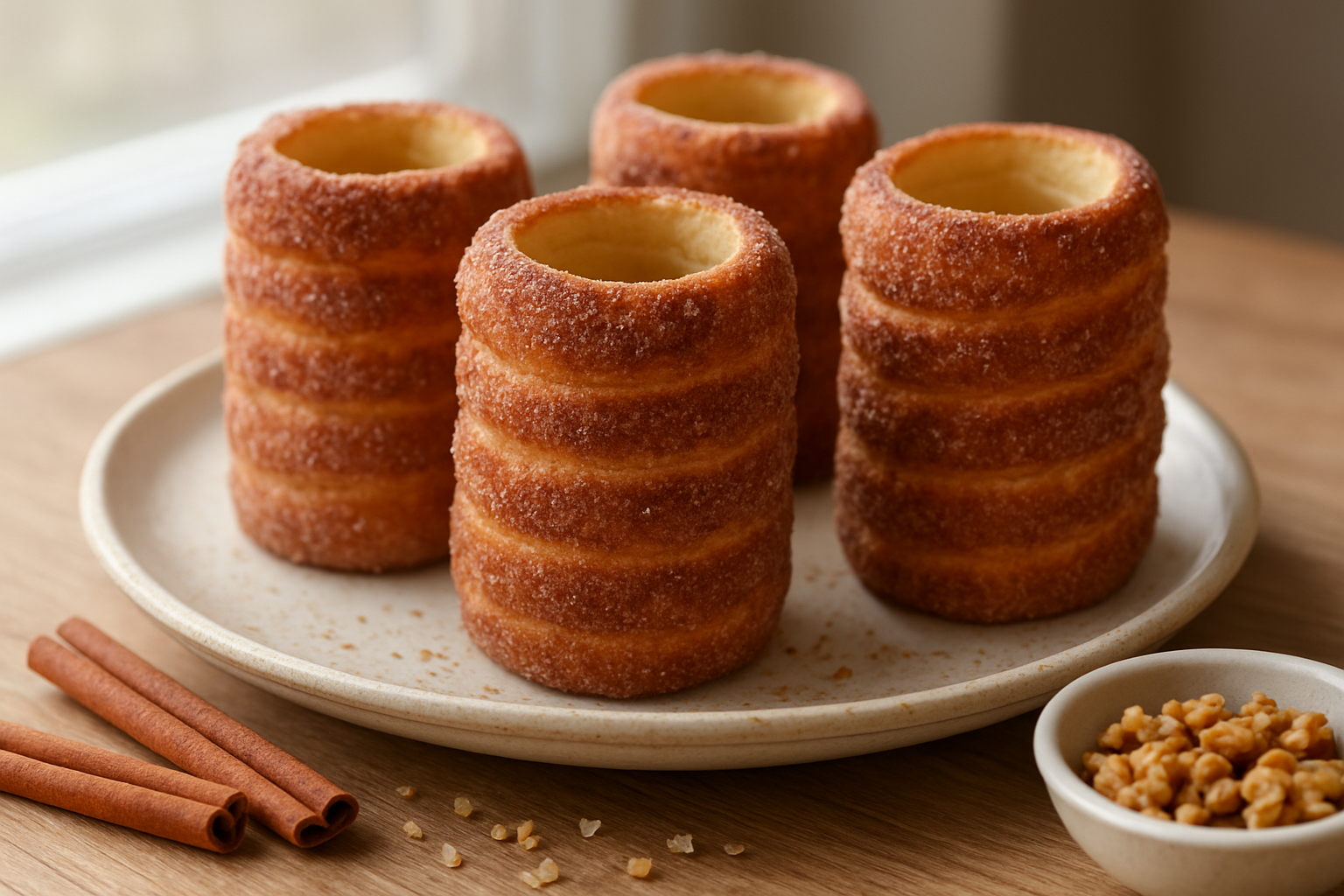
View ProductThis easy hungarian chimney cake recipe brings the warm, cinnamon-sugary appeal of kürtőskalács into a practical home kitchen format. The classic Hungarian pastry is known for its hollow shape, golden caramelized coating, and soft, pull-apart interior. Street vendors often cook it over rotating coals, but this simplified version uses small oven-safe metal molds so beginner bakers can enjoy the same memorable combination of tender yeast dough and crisp sugar at home.
Kürtőskalács, pronounced roughly “kur-tur-kah-lach,” is often called chimney cake because the finished pastry is hollow at the center. It is an especially fun dessert for a weekend baking project, a holiday table, or a family movie night. Each small cake can be pulled apart in warm, sweet layers, and the cinnamon fragrance makes the kitchen feel instantly cozy.
Why This Easy Hungarian Chimney Cake Recipe Works
Traditional chimney cakes are wrapped around large wooden or metal rollers and cooked while rotating. This approachable adaptation keeps the essential idea—spiraled yeast dough and a caramelized sugar shell—while using individual metal cannoli or cream-horn molds. The smaller size is easier to handle, bakes evenly in a standard oven, and gives everyone their own warm pastry.
The dough is straightforward enough for newer bakers: it is enriched with milk, egg, and butter for a soft texture, but it does not require a stand mixer. A brief knead develops enough structure for the dough to stretch into long ropes without tearing. The cinnamon-sugar coating is applied before baking and refreshed after baking, which creates that signature sparkling, lightly crisp exterior.
Helpful Equipment and Shaping Tips
For the safest and most reliable result, use oven-safe metal cannoli or cream-horn molds. Grease them thoroughly so the finished pastries release without breaking. It is tempting to improvise with cardboard, paper tubes, or household objects, but these are not designed for oven heat and should not be used. Small metal molds make charming individual chimney cakes even if they are not as wide as the oversized versions sold at fairs.
Roll the dough ropes as evenly as possible, keeping the thickness consistent from end to end. Wrap each rope with a slight overlap; this helps prevent gaps in the finished cake. Do not pull the dough too tight, because yeast dough expands while baking. If a rope springs back as you roll it, let it rest for a few minutes, then continue. That short pause relaxes the gluten and makes shaping much easier.
For the best crust, coat the dough generously in cinnamon sugar and turn the molds midway through baking. The sugar should become deep golden and fragrant, not blackened. Because ovens vary, start checking near the lower end of the baking range. A warm final roll in cinnamon sugar gives the pastry an extra crackly finish and makes it especially appealing for children and guests.
Flavor Variations for Hungarian Kürtőskalács
Cinnamon sugar is the most familiar option for an easy hungarian chimney cake recipe, but it is only the beginning. Finely chopped walnuts are a wonderful addition and provide a toasty contrast to the soft dough. Unsweetened shredded coconut offers a sweet bakery-style finish, while vanilla sugar gives a delicate, floral aroma. For a chocolate version, let the cake cool just enough that the sugar coating is no longer molten, then sprinkle it with finely grated chocolate.
You can also set out a few toppings and let everyone finish their own cake. Chopped toasted nuts, mini chocolate chips, crushed freeze-dried strawberries, or a light drizzle of melted chocolate all work well. Keep additions light so the chimney cake remains easy to hold and its crisp coating stays the main attraction.
Serving Ideas for Warm Chimney Cakes
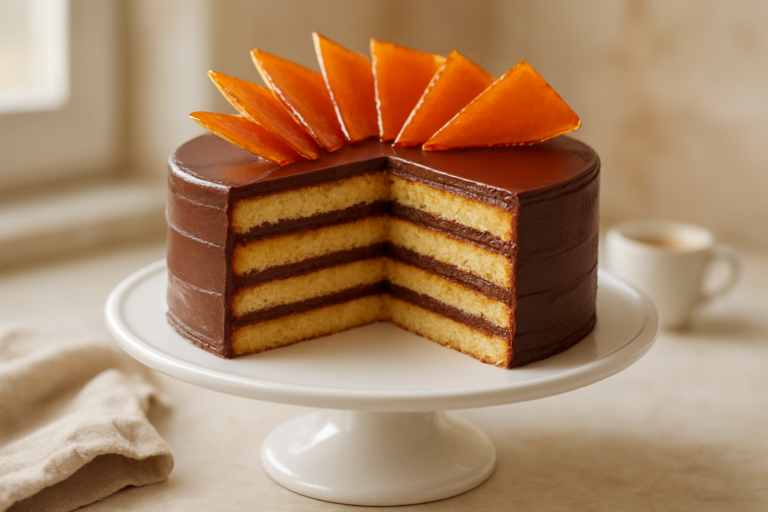
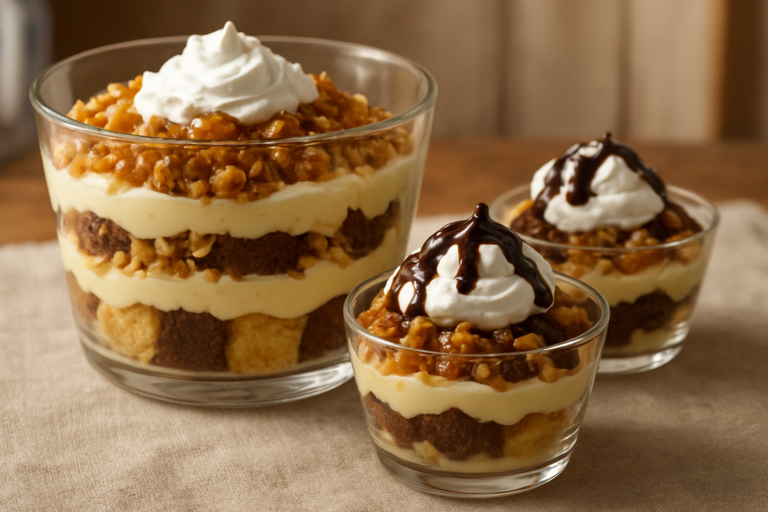
Serve kürtőskalács warm, when the sugar shell is at its crispiest and the center is soft. A scoop of vanilla ice cream turns one into a festive plated dessert, while sliced strawberries or raspberries bring welcome freshness. For a cozy dessert spread with more European inspiration, pair these pastries with a slice of Hungarian Dobos torte or make the creamy layered Hungarian Somlói galuska for another special-occasion treat.
Storage, Reheating, and Food Safety
Chimney cakes are at their absolute best shortly after baking. If you have leftovers, cool them completely before storing them in an airtight container at room temperature for up to one day. A short warm-up in a low oven helps revive the exterior better than a microwave, which can make the sugar coating soft. If you expect leftovers, reserve a little cinnamon sugar to add after reheating.
Because this dough contains egg and flour, avoid tasting it raw. Bake until the pastry is deeply golden and no longer doughy where the spiral overlaps. The metal molds become very hot in the oven, so use tongs or a clean kitchen towel when removing the cakes, and allow them to cool briefly before serving.
Frequently Asked Questions
Are chimney cakes Hungarian?
Yes. Kürtőskalács is strongly associated with Hungary and the Hungarian-speaking region of Transylvania. Similar spit-roasted sweet dough pastries appear throughout Central Europe, but the name kürtőskalács refers to the Hungarian specialty.
Can I make this easy hungarian chimney cake recipe ahead?
You can make the dough the day before and let it rise slowly in the refrigerator, tightly covered. Bring it toward room temperature and let it become slightly puffy before rolling and shaping. For the freshest texture, bake and coat the cakes shortly before serving.
Why is my coating not crisp?
A thin or uneven layer of butter can keep the sugar from adhering well, while underbaking can leave the coating pale. Brush the dough evenly, coat it generously, and bake until the sugar looks caramelized. The final cinnamon-sugar roll should be done while the cakes are warm, not hot enough to melt the sugar completely.
If you enjoy family baking projects with a filled pastry twist, try these Lebanese ma’amoul date-filled cookies next. Like chimney cakes, they make a thoughtful homemade dessert that is especially nice to share.