
Easy Colombian Arequipe Recipe
Easy Colombian Arequipe Recipe (Dulce de Leche)
Ingredients
- 1 can 14 ounces/396 grams sweetened condensed milk
- 1 cup 8 fluid ounces/240 milliliters whole milk
- 1/3 cup 2.4 ounces/68 grams packed light brown sugar or finely grated panela
- 1/8 teaspoon baking soda
- 1 tablespoon 0.5 ounce/14 grams unsalted butter
- 1 teaspoon 5 milliliters vanilla extract
- 1/8 teaspoon fine salt
Instructions
- Set a medium, heavy-bottomed saucepan over medium-low heat. Add the sweetened condensed milk, whole milk, brown sugar or panela, and baking soda. Whisk until smooth.
- Bring the mixture to a gentle simmer, stirring often with a heatproof spatula or wooden spoon. Scrape the bottom and corners of the pan each time you stir so the milk does not stick or scorch.
- Lower the heat to keep the mixture at a very gentle simmer. Continue cooking and stirring frequently for 25 to 35 minutes, until it is a warm caramel color, noticeably thicker, and leaves a clear trail for 1 to 2 seconds when the spatula is dragged across the bottom of the pan.
- Remove the pan from the heat. Stir in the butter, vanilla, and salt until the arequipe is glossy and completely smooth.
- For a silky texture, let the arequipe cool for 10 minutes, then transfer it to a heat-safe jar or bowl. It will thicken further as it cools. Serve warm, at room temperature, or chilled.

Love Easy International Recipes? 🌍
Discover 30 easy international recipes for busy families and bring more flavors from around the world to your table.
GET THE DIGITAL COOKBOOK – $1.99Prefer a printed cookbook? Explore the Family Flavor Atlas physical cookbook →
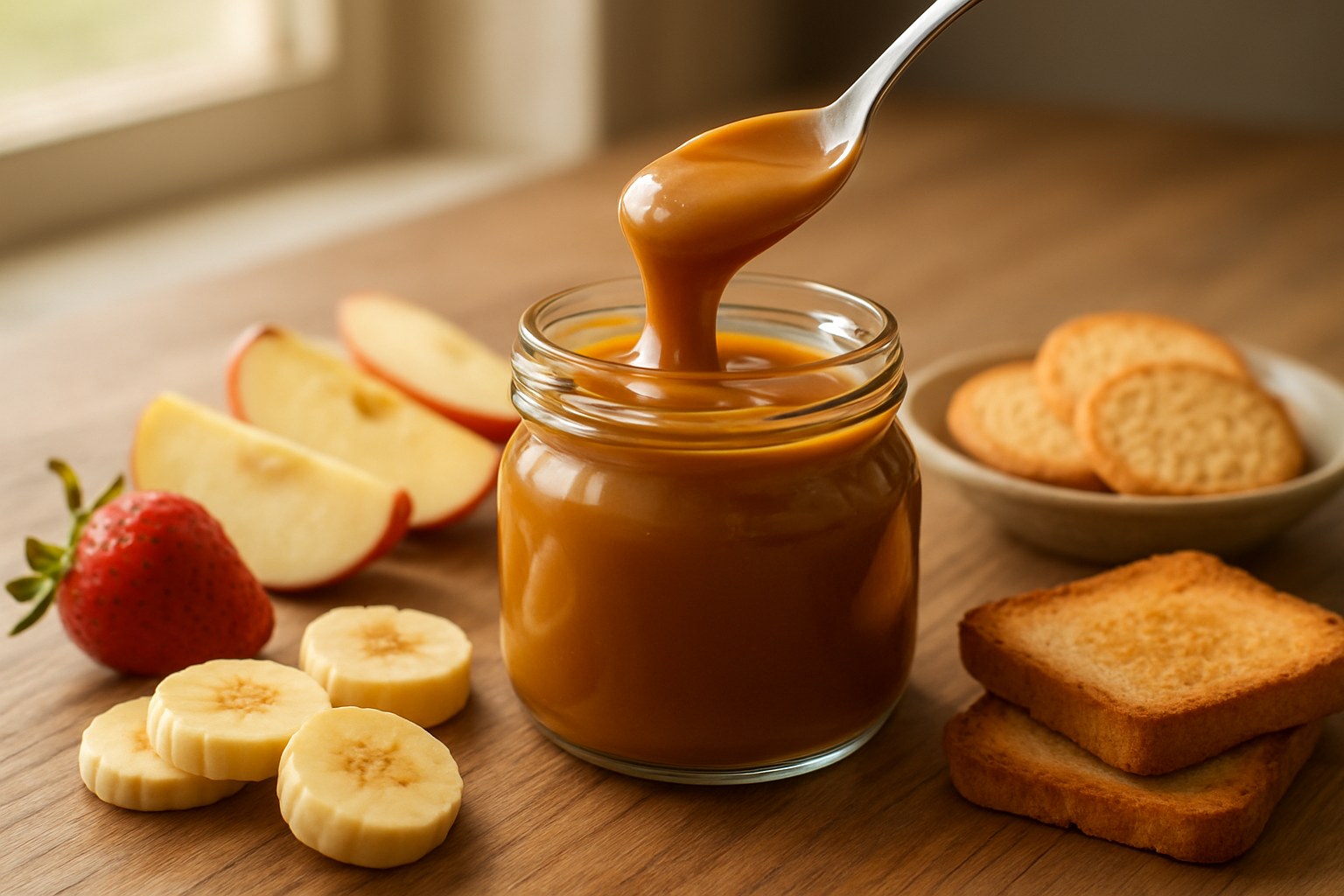
This easy colombian arequipe recipe brings the comforting flavor of Colombia’s beloved milk caramel to a busy family kitchen without complicated equipment. Arequipe is a smooth, rich spread in the same delicious family as dulce de leche, with a deep caramel taste and a soft, creamy texture. Serve a small bowl alongside sliced apples, strawberries, bananas, vanilla ice cream, crisp cookies, or warm toast whenever you need a simple dessert that feels special.
What Is Arequipe? A Traditional Colombian Caramel
Arequipe is a traditional Colombian milk caramel made by slowly cooking milk and sugar until the mixture becomes thick, smooth, and golden brown. Often compared to dulce de leche, Colombian arequipe is enjoyed as a spread, dessert filling, topping, or dip for fruit, cookies, pancakes, and toast. This easy arequipe recipe uses simple supermarket ingredients to create the same rich, creamy caramel flavor at home.
It is also easy to adapt to everyone’s preferred sweetness and texture. Enjoy it while it is still soft and warm as a sauce, or chill it for a thicker spread. Kids can help arrange fruit and cookies for dipping once the caramel has cooled safely. Since a little goes a long way, a modest jar can make several everyday snacks and desserts feel more festive.
Arequipe has a distinctly milky, rounded caramel flavor. Although it is often compared to dulce de leche and other caramel spreads from Latin America, it is especially associated with Colombian cuisine and is worth enjoying on its own terms. It is not related to Venezuelan arepas, which are savory or sweet corn cakes; if you are looking for those instead, try these easy Venezuelan arepas with cheese and avocado.
Tips for an easy colombian arequipe recipe
The key to a smooth result is gentle, steady heat and regular stirring. Choose a heavy-bottomed saucepan with higher sides than you think you need, because dairy mixtures can bubble up as they heat. A silicone spatula is especially useful for sweeping the bottom and curved sides of the pan, where caramel can catch first. If you see dark specks or smell a sharp burnt aroma, take the pan off the heat right away rather than trying to stir the flavor away.
Watch the texture more closely than the clock. The arequipe is ready when it looks glossy, has shifted to a warm tan-caramel shade, and briefly leaves a path when you draw your spatula through it. It may seem slightly looser than expected in the pan, but it continues thickening as it cools. For the neatest serving texture, give it time to settle before transferring it to a clean jar.
Brown sugar gives this version a quick, familiar caramel note, while panela adds a deeper, lightly molasses-like cane-sugar flavor. Either choice makes a lovely dulce de leche recipe shortcut. A small pinch of salt balances the sweetness, and vanilla adds a bakery-style aroma. For a festive variation, stir in a pinch of cinnamon after cooking, or finish each serving with flaky salt. Keep additions light so the traditional caramel flavor remains the star.
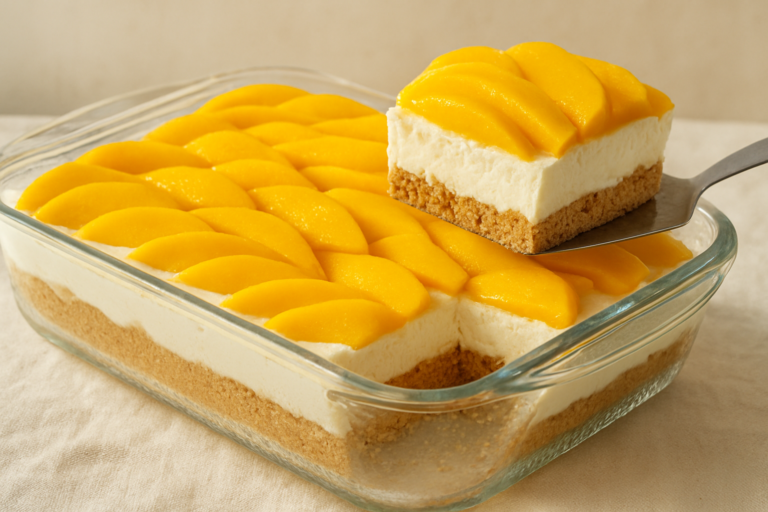
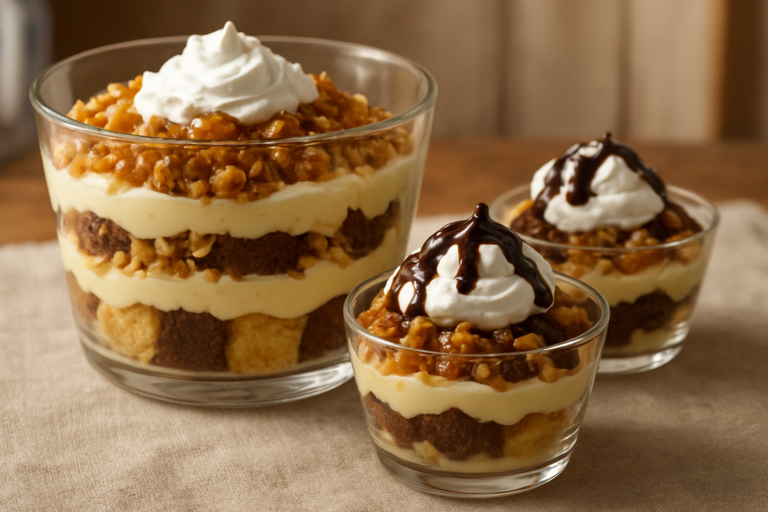
For a simple sticky toffee dessert idea, spoon arequipe over plain pound cake or date muffins and add a scoop of vanilla ice cream. It is equally good layered with sliced bananas and crushed graham crackers in small glasses. If your family enjoys chilled, creamy make-ahead sweets, this Filipino mango float no-bake dessert is another easy option for the dessert table.
Serving, storage, and reheating
Serve arequipe in small portions because its flavor is rich and concentrated. It pairs beautifully with tart fruit, buttery shortbread, plain crackers, toasted bread, pancakes, and waffles. For a Colombian-inspired sweet-and-salty platter, offer it with mild cheese and fruit. It also makes a thoughtful addition to a brunch spread beside coffee or hot chocolate.
After it has cooled, cover the arequipe and refrigerate it. Cold arequipe becomes firm, which is ideal for spreading on toast or sandwich cookies. To make it soft enough for drizzling, warm only the portion you plan to use, gently and briefly, stirring until smooth. Avoid repeated warming and cooling of the whole container, which can affect its texture and freshness.
Food safety for dairy caramel
Because arequipe contains dairy, do not leave it at room temperature for extended periods. Refrigerate it within two hours after cooling, always use a clean spoon, and keep the container covered. Discard the dessert if you notice mold, an unusual odor, or other signs of spoilage. Take extra care when cooking, too: hot caramel can cause serious burns, so keep children away from the stove and allow it to cool before serving.
Frequently asked questions
Is arequipe the same as dulce de leche?
They are very closely related milk-and-sugar caramel preparations, and both are creamy, sweet, and deeply caramelized. Regional traditions, ingredient choices, and preferred textures vary. This easy colombian arequipe recipe is designed to capture the smooth, spoonable Colombian-style experience with accessible ingredients.
Can I use arequipe as a cake filling?
Yes. Let it cool completely first so it is thick enough to stay between cake layers. For the cleanest slices, use it as a thin filling or pipe a buttercream border around the edge of each layer to hold it in place.
Why did my arequipe become grainy?
Graininess can happen when sugar crystals form around the sides of the pan or when the mixture cooks too aggressively. Stir gently but thoroughly, scrape down the sides, and use low heat once the mixture is simmering. If it is only slightly grainy, warming it gently while stirring may help smooth it out.
Can I freeze leftover arequipe?
Freezing is possible in a tightly sealed freezer-safe container, though the texture may be a little less silky after thawing. For best quality, refrigerating and using it within the suggested storage period is usually the better choice.
What is arequipe called in English?
Arequipe is commonly described in English as Colombian milk caramel or Colombian dulce de leche. The name “arequipe” is widely used in Colombia.
How do Colombians eat arequipe?
Arequipe is commonly enjoyed with bread, cookies, fruit, pancakes, and desserts, or used as a filling for cakes and pastries.
You may also like
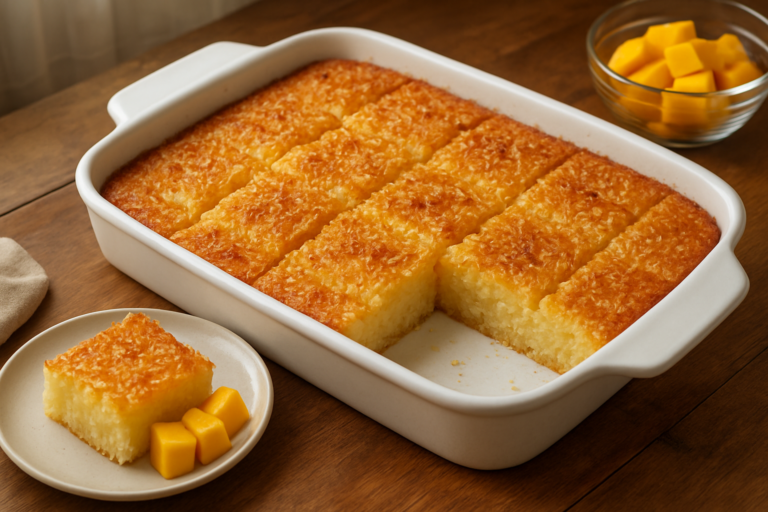
For another warm, shareable treat with a lightly sweet dough texture, make Jamaican festival fried dough. It is a fun addition to a weekend meal and can be served with fruit or a small dish of caramel for dipping.

One Comment