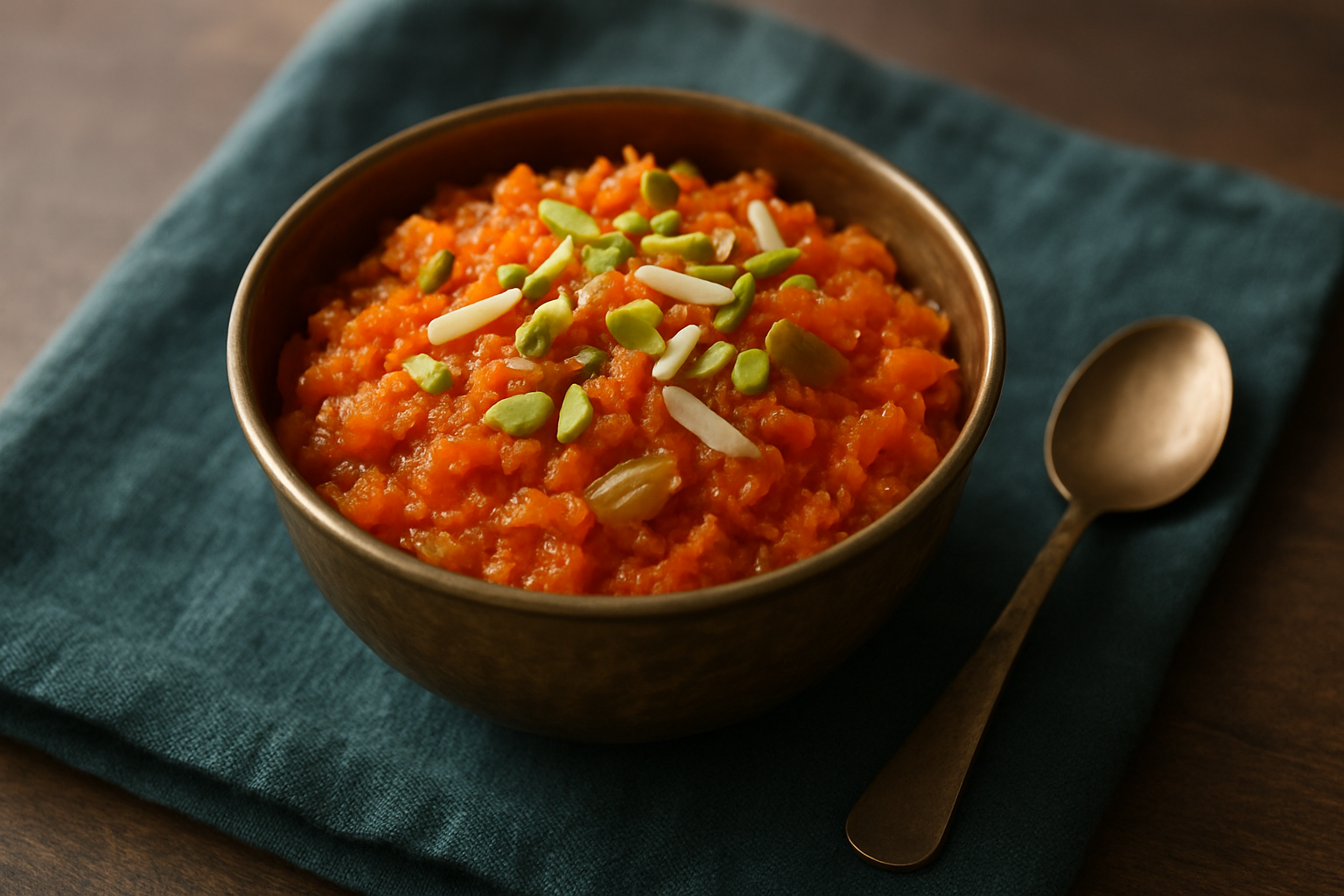
Easy Indian Gajar Halwa: A Warm Carrot Pudding Dessert
Easy Indian Gajar Halwa: A Warm Carrot Pudding Dessert
Ingredients
- 1 1/2 pounds carrots peeled and grated (680 g)
- 3 cups whole milk 720 ml
- 1/2 cup granulated sugar 100 g
- 3 tablespoons ghee 42 g, divided
- 1/2 teaspoon ground cardamom 1 g
- 1/4 teaspoon kosher salt 1.5 g
- 1/4 cup chopped pistachios or almonds 30 g
- 2 tablespoons golden raisins optional (18 g)
Instructions
- Peel and grate the carrots using the large holes of a box grater or a food processor grating attachment. Set a large, heavy-bottomed pot or deep skillet over medium heat.
- Add the grated carrots and milk. Bring the mixture to a gentle simmer, stirring often to prevent the milk from catching on the bottom of the pot.
- Cook until the carrots are very tender and most of the milk has cooked down, about 30 to 35 minutes. Stir more frequently as the mixture thickens.
- Stir in the sugar, 2 tablespoons of the ghee, cardamom, and salt. Continue cooking and stirring until the halwa is thick, glossy, and pulls together in the pot, about 8 to 10 minutes.
- Meanwhile, heat the remaining 1 tablespoon ghee in a small skillet over medium-low heat. Add the pistachios or almonds and the optional raisins. Cook just until fragrant and lightly toasted, about 1 to 2 minutes.
- Spoon the gajar halwa into a serving dish. Scatter the toasted nuts and raisins over the top. Serve warm, at room temperature, or chilled.
 Sale!
The Sweet Atlas: 20 International Dessert Recipes – Collection I
Discover 20 easy international dessert recipes from 12 countries in The Sweet Atlas — Collection I. This beautifully designed 50-page digital cookbook takes you from Filipino…
View ProductThis easy indian gajar halwa recipe turns everyday carrots into a warmly spiced, rich Indian dessert with a soft, spoonable texture. Gajar halwa is often described as Indian carrot pudding, but it has a character all its own: tender grated carrots slowly become glossy and sweet, while cardamom and toasted nuts make every bite feel special. It is a lovely dessert for holidays, family dinners, or any evening when you want something comforting without baking.
The method is simple enough for newer cooks because everything comes together in one sturdy pot. The main task is stirring patiently as the carrots and milk cook down. That slow reduction is what gives this gajar halwa dessert its concentrated carrot flavor and its classic creamy texture. It is not complicated, but it does reward a little attention near the end, when the mixture thickens quickly.
Why You’ll Love This Easy Indian Gajar Halwa Recipe
Gajar halwa offers the cozy appeal of a pudding with the fragrant finish of a classic Indian sweet. The carrots bring a naturally bright color and gentle sweetness, and cardamom gives the finished dessert a floral, citrus-like warmth. A topping of toasted pistachios or almonds adds welcome crunch, making the soft pudding feel festive even when it is served in simple bowls.
It is also a practical make-ahead dessert. Since the flavor settles in nicely after chilling, you can prepare it ahead for a gathering and serve it cold, at room temperature, or gently warmed. For busy households, that flexibility is especially helpful. The recipe uses familiar supermarket ingredients, while the ghee and cardamom provide the unmistakable flavor associated with easy Indian sweets.
For a fuller dessert spread, pair small bowls of carrot pudding with a cool, creamy treat such as Indian mango kulfi. The bright fruit flavor and cold, dense texture make a refreshing contrast to warm, nutty halwa.
Tips for a Smooth, Rich Carrot Pudding
Choose firm, fresh carrots with a deep orange color. Freshly grating them is worth the extra few minutes because the pieces are tender and juicy, helping them soften evenly as they cook. The large holes of a box grater create the familiar texture, while a food processor with a grating disk makes quick work of a larger batch. Avoid finely shredding the carrots into tiny bits; a little texture is part of what makes Indian carrot pudding so satisfying.
Use a wide, heavy-bottomed pot or deep skillet if possible. A broad cooking surface helps excess moisture evaporate steadily, while a heavier pan reduces the chance of scorching. Keep the heat at a gentle simmer rather than a hard boil, and scrape the bottom and corners regularly with a heatproof spatula. As the milk reduces, stir more often. The final stage is when the pudding can stick most easily, but it is also when the carrots become shiny and richly flavored.
Ghee is traditional and adds a lightly toasted, buttery aroma. If you use butter instead, choose unsalted butter so you can control the seasoning. Toast the nuts separately in a little ghee and add them at the end for the best crunch. Raisins are optional, but they provide small pockets of sweetness and are a common addition in many home-style versions.
Easy Variations and Serving Ideas
Once you are comfortable with the basic easy indian gajar halwa recipe, it is easy to tailor. Add a pinch of saffron steeped in a spoonful of warm milk for a floral, golden note. For a little more texture, fold in chopped cashews along with the pistachios. If you prefer a less sweet dessert, reduce the sugar modestly, keeping in mind that the finished flavor should still feel like a dessert rather than a vegetable side dish.
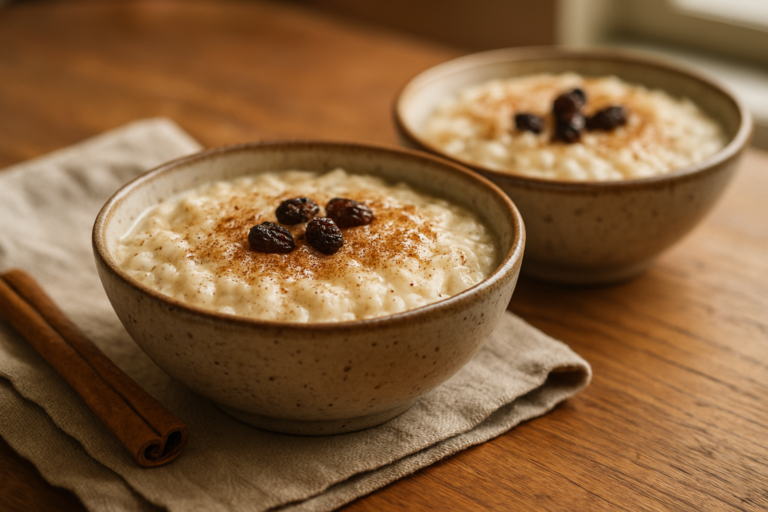
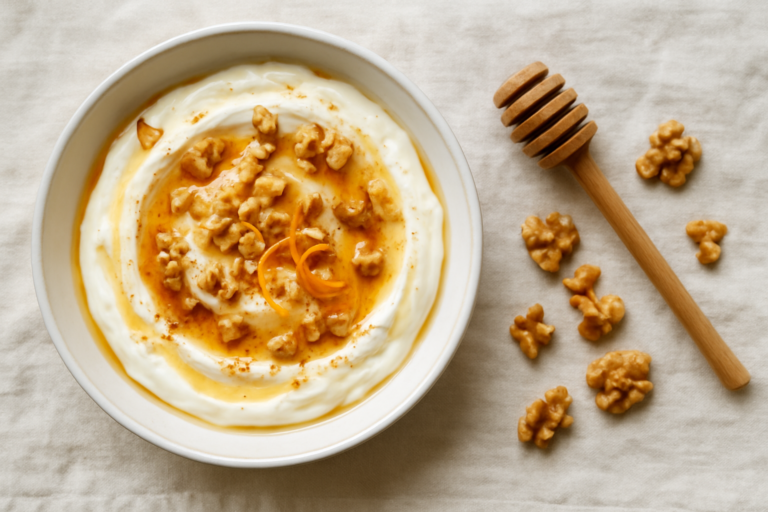
Serve gajar halwa warm in small bowls with extra nuts on top. A spoonful of plain whipped cream or a scoop of vanilla ice cream is not traditional, but it is an easy family-friendly pairing. If you enjoy creamy puddings from around the world, try this Mexican arroz con leche rice pudding for another comforting, cinnamon-scented dessert. For a lighter finish, a small serving of Greek yogurt with honey and walnuts is a natural companion to a festive meal.
Storage, Reheating, and Food Safety
Let the halwa cool before transferring it to a covered container and refrigerating it. It keeps well for several days, making it useful for planned desserts or small after-dinner portions. Enjoy it cold for a firmer texture, or warm individual servings slowly with a small splash of milk if the pudding has become very thick. Reheat only what you need, since repeated warming can make the texture less smooth.
Because this dessert contains milk, do not leave it at room temperature for extended periods. Refrigerate leftovers within two hours, use clean serving utensils, and discard any portion that has sat out longer than two hours. These small steps help keep this easy Indian sweet safe and enjoyable for everyone.
Frequently Asked Questions
Is gajar halwa the same as carrot cake?
No. Gajar halwa is a stovetop Indian carrot pudding, not a baked cake. It has no flour or frosting, and its texture is soft, dense, and spoonable rather than airy or sliceable.
Can I make this easy indian gajar halwa recipe ahead?
Yes. It is an excellent make-ahead dessert because it can be served chilled or reheated gently. Add the toasted nuts just before serving if you want them to stay crisp.
What should I do if the halwa seems too loose?
Continue cooking it over low to medium-low heat, stirring often, until more moisture evaporates. It will thicken further as it cools, so stop when it is thick and glossy but still easy to spoon.
Can children help make gajar halwa?
Children can help measure ingredients, sprinkle cardamom, and add the nut topping. An adult should handle grating, the hot pot, and stirring near the end, when the thick pudding can bubble and splatter.