Food Culture
Around the World
Discover the traditions, ingredients, landscapes and stories behind the foods people cook, share and pass from one generation to the next.
around the table.
What Is Food Culture?
Food tells us much more than what people eat. It connects landscapes, ingredients, family life, memory, migration and generations of knowledge.
Food culture is the collection of ingredients, cooking techniques, eating habits, traditions, knowledge and social practices that shape how a community produces, prepares and shares food.
It includes everyday meals, agriculture, fishing, seasonal ingredients, preservation methods, markets, celebrations, family traditions and the ways culinary knowledge is passed from one generation to another.
Recipes Don’t Happen by Accident
Why does one culture build meals around rice while another depends on wheat, corn or cassava? Why do some cuisines rely on fermentation, coconut, fresh herbs or preserved fish? The answer is usually bigger than the recipe itself.
Geography & Climate
Islands, coastlines, rivers, mountains, seasons and climate influence what communities can grow, catch and preserve.
Ingredients & Agriculture
Rice, wheat, corn, roots, beans, fish, herbs and local produce become foundations of regional cuisines.
History & Trade
Trade, migration and cultural exchange move ingredients and techniques across borders where communities make them their own.
Family & Community
Recipes and cooking knowledge are often learned through everyday meals shared with parents, grandparents, relatives and neighbors.
Celebrations & Traditions
Food can become connected with holidays, hospitality, weddings, harvests, religious occasions and family gatherings.
Migration & Adaptation
When people move, their recipes and food memories move too, adapting to new ingredients while maintaining connections with home.
The Same Ingredient Can Tell Different Stories
Rice appears across many cultures, yet geography, agriculture and local traditions transform it into completely different foods and experiences.
Rice & Everyday Meals
Rice sits at the center of many meals and appears in forms including steamed rice and onigiri.
Explore Japan → PhilippinesRice & Family Tables
Rice accompanies countless dishes and reflects the regional diversity of the Philippine archipelago.
Explore Philippines → VietnamRice in Many Forms
Rice becomes steamed grains, broken rice, noodles, rice paper, sticky rice and many other foods.
Explore Vietnam → JamaicaRice, Peas & Coconut
Rice joins legumes, coconut and seasonings in one of Jamaica’s best-known family-table traditions.
Explore Jamaica →Explore Food Cultures
Discover our growing collection of country guides exploring ingredients, everyday meals, regional traditions, culinary history and the stories behind the foods people share.
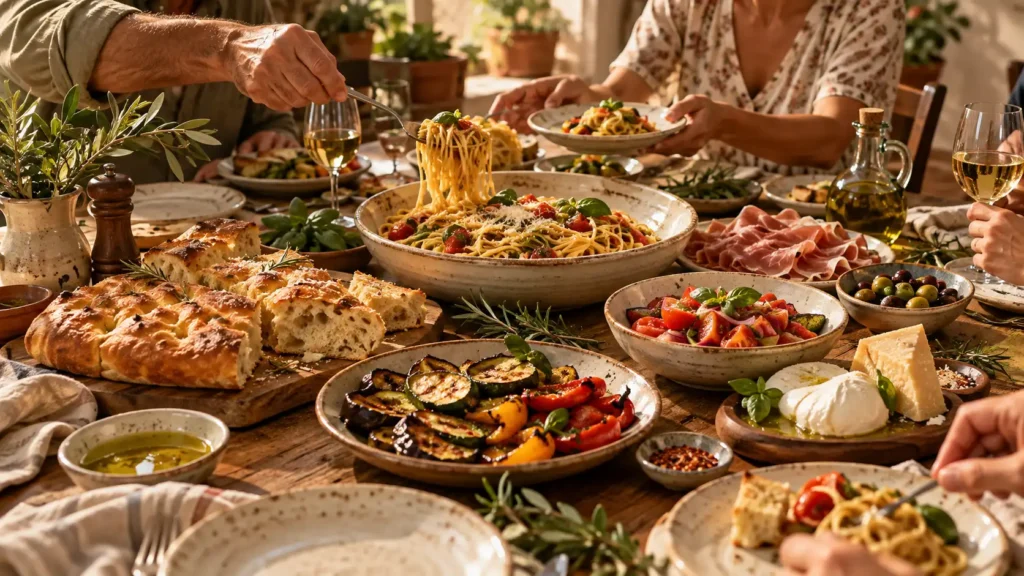
Italian Food Culture: Regional Traditions, Everyday Meals and Iconic Dishes
Discover Italian food culture beyond pizza and pasta, from regional cuisines and seasonal ingredients to family meals, bread, olive oil and everyday traditions.
Explore This Food Culture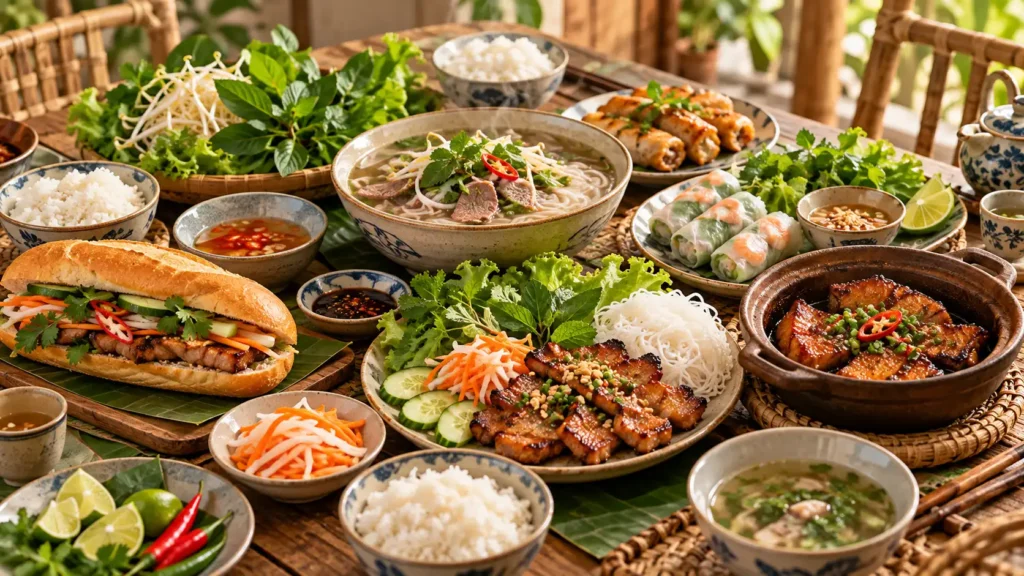
Vietnamese Food Culture: Traditions, Flavors, Everyday Meals and Iconic
Discover Vietnamese food culture beyond pho, from rice and noodles to fresh herbs, regional traditions, street food, family meals and iconic dishes.
Explore This Food Culture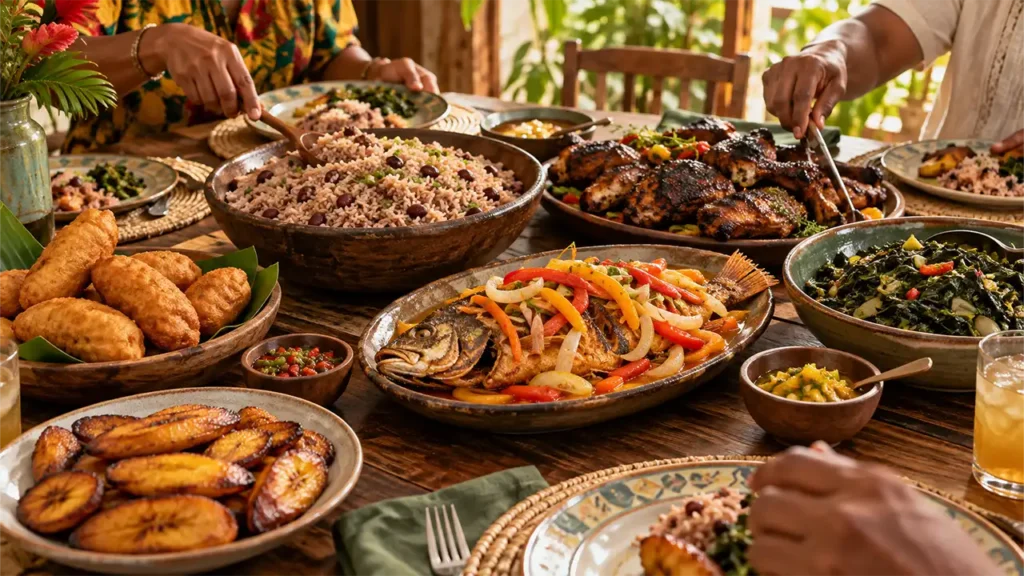
Jamaican Food Culture: Traditions, Flavors, Everyday Meals and Iconic Dishes
Discover Jamaican food culture beyond jerk chicken, from rice and peas and escovitch fish to callaloo, curry, breakfast traditions and family meals.
Explore This Food Culture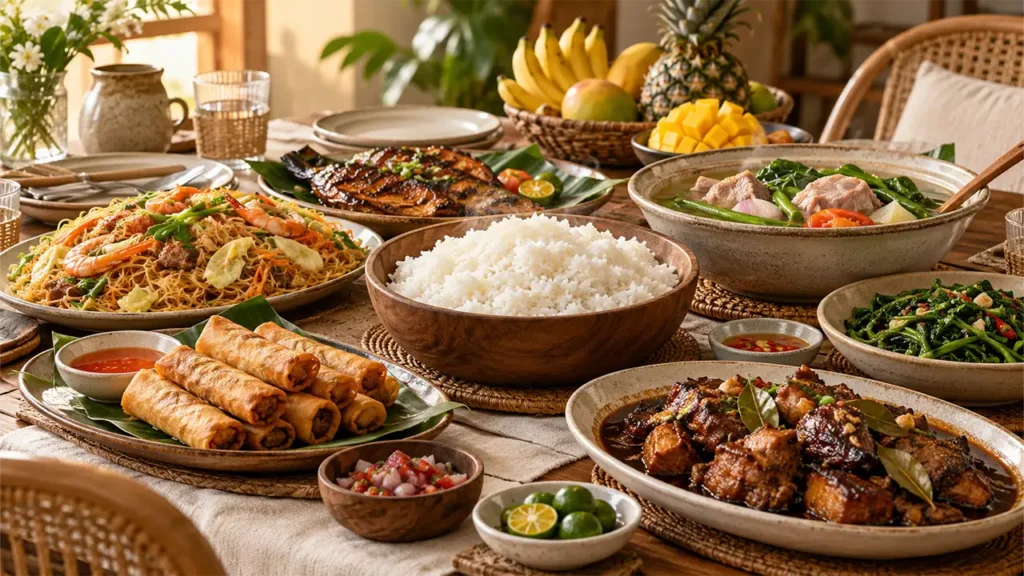
Filipino Food Culture: Traditions, Flavors, Everyday Meals and Iconic Dishes
Filipino food culture is shaped by an archipelago of thousands of islands, hundreds of communities, tropical ingredients, regional foodways, family traditions, and centuries of…
Explore This Food Culture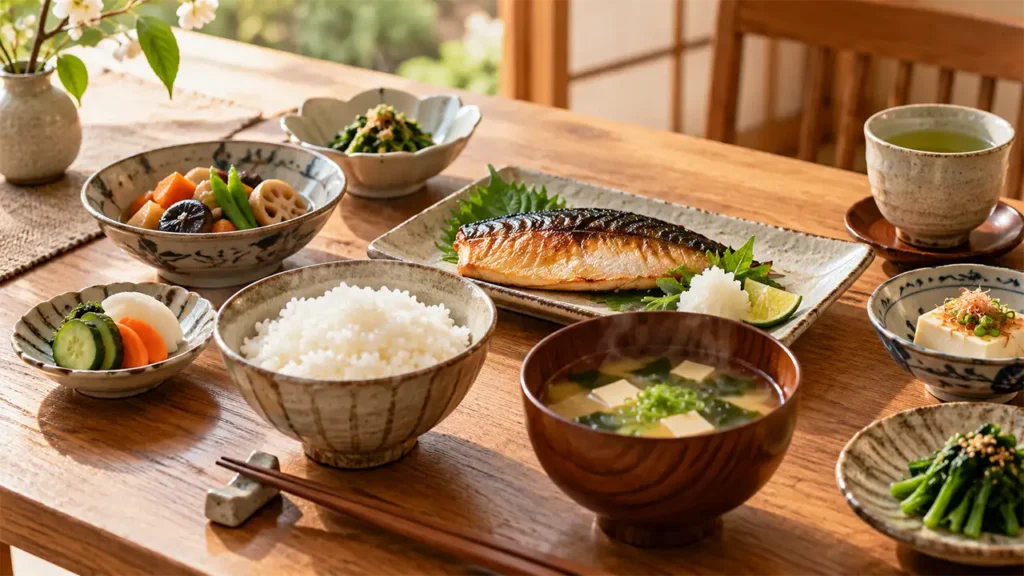
Japanese Food Culture: Traditions, Ingredients, Everyday Meals and Iconic Dishes
Japanese food culture is much more than sushi, ramen, and the dishes that have become famous around the world. It is shaped by geography,…
Explore This Food CultureHow We Explore a Food Culture
Our cultural guides go beyond famous dishes to understand the wider systems that shape the way people eat.
Staple Foods
Rice, grains, breads, roots and other foods that form the everyday foundation of meals.
Flavor Foundations
Herbs, spices, sauces, fermented ingredients and aromatics that help define regional flavors.
Regional Differences
How food changes between islands, cities, mountains, coastlines and agricultural regions.
Everyday Meals
What people cook and eat beyond restaurant specialties and internationally famous dishes.
Family & Community
How food is shared and culinary knowledge passes between generations.
History & Exchange
How trade, migration and cultural contact influence ingredients and techniques.
Celebrations
Foods connected with holidays, hospitality, gatherings and meaningful occasions.
Food Culture Today
How traditions evolve through modern life, migration and new generations of cooks.
Understand the Story.
Then Cook the Dish.
A recipe becomes more meaningful when we understand why certain ingredients are used, how the dish fits into everyday life and how it connects with other foods from the same culture.
Family Flavor Atlas connects cultural guides with approachable recipes so you can move from learning about a cuisine to exploring its flavors in your own kitchen.
Every Region Has Something to Teach Us
Food cultures are shaped by landscapes, ingredients, movement and generations of people sharing knowledge.
Food Culture Is Living, Not Frozen in Time
Traditional food is not always represented by one universal recipe. Dishes can vary between regions, families and generations. Ingredients change, people migrate and cooking techniques adapt.
Family Flavor Atlas therefore distinguishes between traditional, traditional-style, simplified, inspired and adapted recipes whenever that distinction helps readers understand the food more accurately.
Understanding Food Culture
What is food culture?
Food culture includes the ingredients, cooking techniques, eating habits, traditions, knowledge and social practices that shape how a community produces, prepares and shares food.
Why do countries have different food cultures?
Food cultures develop through geography, climate, agriculture, local ingredients, history, trade, migration and generations of family and community knowledge.
How does geography influence food?
Geography affects what communities can grow, catch and raise. Coastlines may encourage seafood traditions, fertile river valleys support particular crops and climate influences seasons and preservation methods.
What is the difference between cuisine and food culture?
Cuisine generally refers to dishes and cooking styles. Food culture is broader and also includes agriculture, eating habits, family traditions, identity, celebrations and the social meaning of food.
Why can a traditional dish have several recipes?
Recipes can vary between regions, households and generations because available ingredients, preferences and cooking techniques differ. More than one version can belong to the same culinary tradition.
How does migration influence food culture?
People carry recipes, techniques and food memories when they move. These traditions can adapt to new ingredients and environments while maintaining connections with cultural identity and home.
How does Family Flavor Atlas research food cultures?
Family Flavor Atlas examines geography, ingredients, staple foods, regional differences, everyday meals, culinary history, family traditions and cultural exchange. Authoritative cultural, governmental and educational sources are used where appropriate.
Food Culture & Culinary Heritage
These international resources provide additional context on foodways, culinary heritage and the relationship between food, culture, communities and place.
Discover the World
Through Food
Explore a culture, understand its ingredients and traditions, then bring one of its stories to your own family table.
Good Food Brings Us Closer.